
Home
Lead-acid battery charger *UPDATE*
In 2007 I have built a replica of the lead-gel battery charger described in Funkamateur 7/2007. What makes this charger special is that it can be operated with a DC voltage of approximately 8.0 V to 16.0 V, meaning it can also be used with a 12 V car socket to charge batteries with a final charging voltage higher than 12V!
Rubber ducky antennas tested
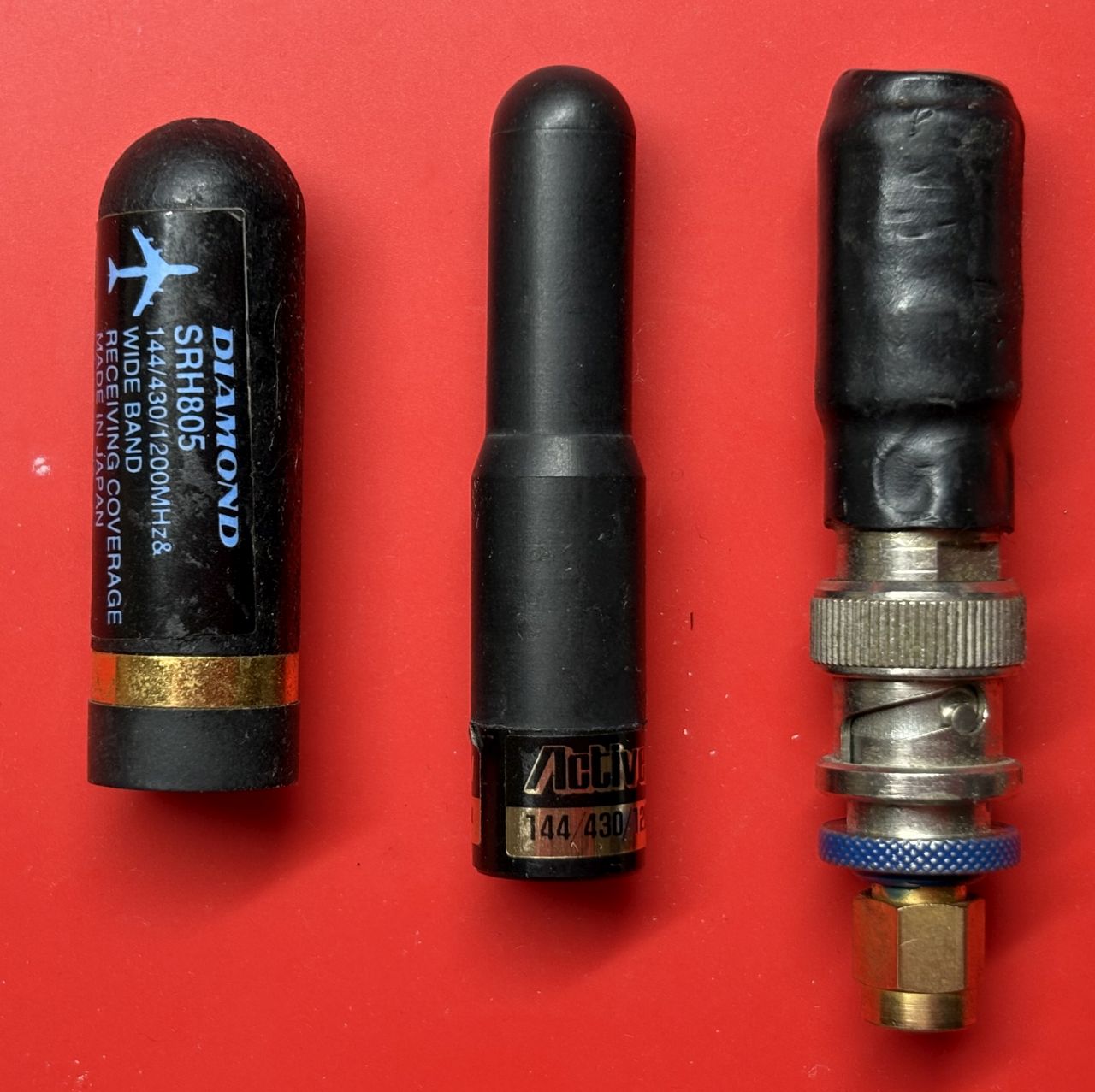
For home use, the stock antenna for my Icom ID-52 is slightly oversized. I can access my local repeater even with the lowest power setting. So I wanted to try using small rubber duck antennas to see if I could still work my repeater from the ground.
A fellow ham radio operator gave me three antennas from his stock:
- Diamond SRH805
- Maldol Active Hunter
- Homebrew
I added two from my stock:
- Diamond SRH805S <- newer version of the SRH805
- ICOM ID-52Plus stock antenna
MX-P50M: initial operational experiences
In this post MEASUREMENTS AND CONVERSION OF THE MX-P50M POWER AMPLIFIER I took a detailed look at the technical data of two of these MX-P50M HF amplifiers.
Now, after three POTA activations, I can conclude that this power amplifier (PA) is a significant enhancement to my POTA shack, which comprises an ICOM IC-705 and a tuned antenna (SOTABEAMS BandHopper) using this Tactical Mini - Compact ultra-portable 6 m (19.6 ft) mast to erect the antenna.
The power-output can be checked here MEASUREMENTS AND CONVERSION OF THE MX-P50M POWER AMPLIFIER. I was running the IC-705 with 5W on the 40m, 30m and 20m Band.
Even in hot operating spaces of up to 30°C, if you do not cover the cooling fins of the PA, they will only get moderately warm. You can therefore always touch the PA without getting hot fingers.
I didn't receive any complaints about my transmitted signal – everyone is happy with this strong signal from a POTA park!
Antenna project for SAQ reception
Introduction
It had long been my wish to record the transmissions of the longwave transmitter Grimeton (call sign SAQ) in Sweden.
However, my KIWI SDR in the garden is unable to pick up anything at these low frequencies due to the interference in the surrounding area.
So I needed a new solution. In issue 12/2025 of FUNKAMATEUR magazine, DL1SNG, DF2VO, and DB8PR presented antennas for receiving longwave transmitters.
Parts list for both antenna types
The necessary circuit boards can be purchased from BOX73, and the necessary components can be found at the usual suppliers or possibly even in your hobby box. I have listed the individual components and sources of supply in the XLS parts list.
E-Field antenna
H-Field antenna
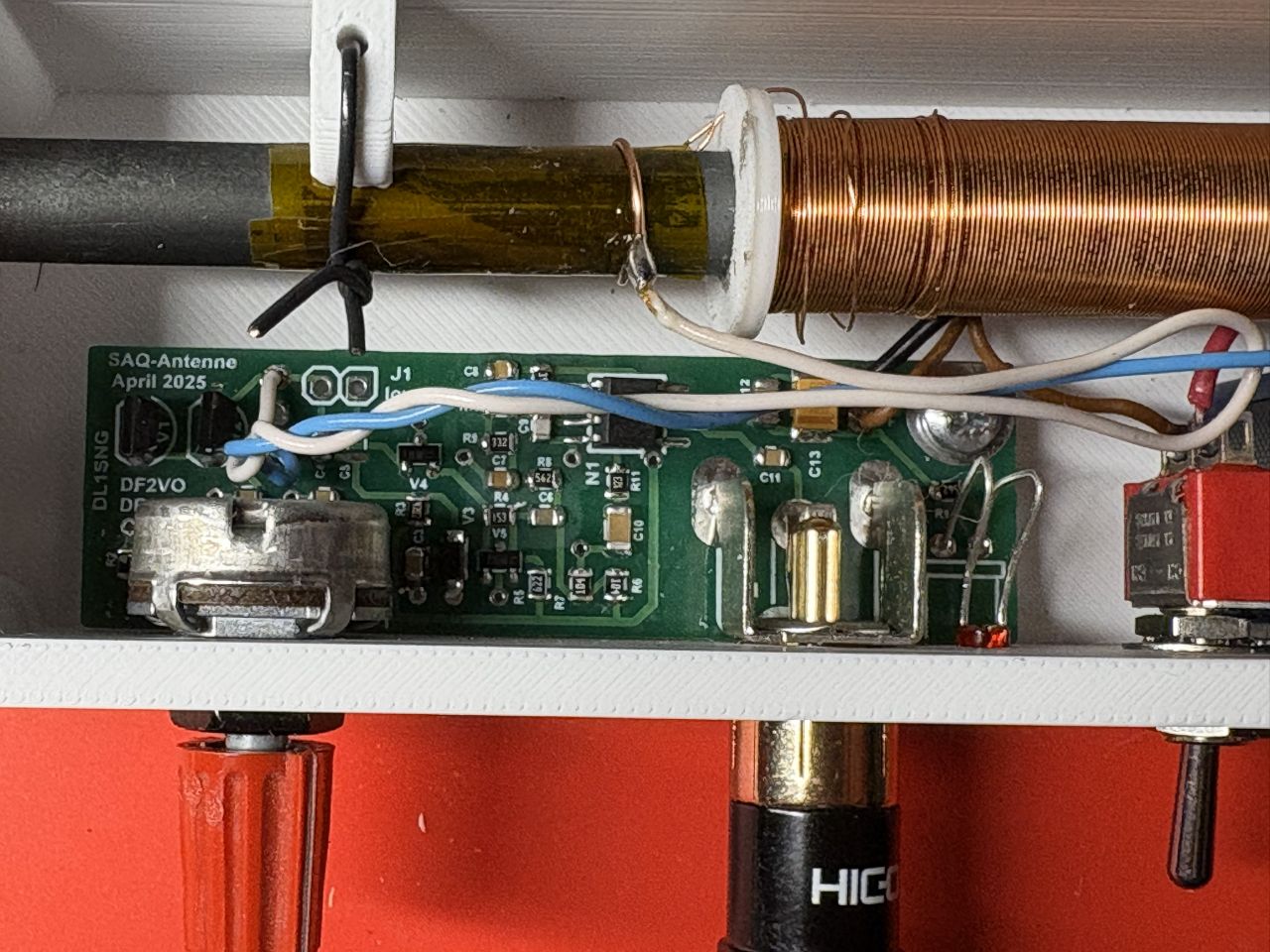
Antenna project for SAQ reception - H-field type
H-Field antenna
PCB
The circuit board is easy to assemble and should then look like this:
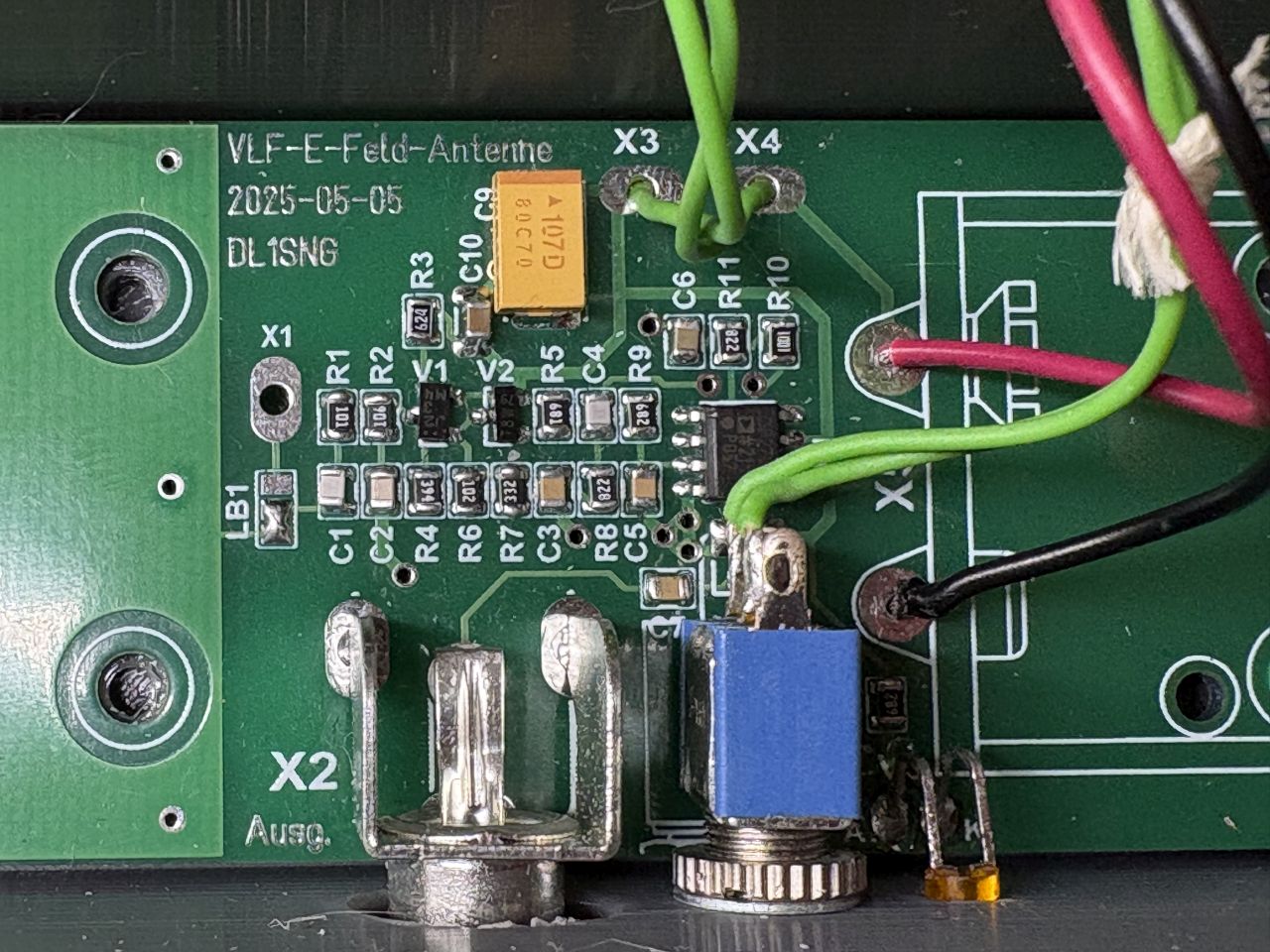
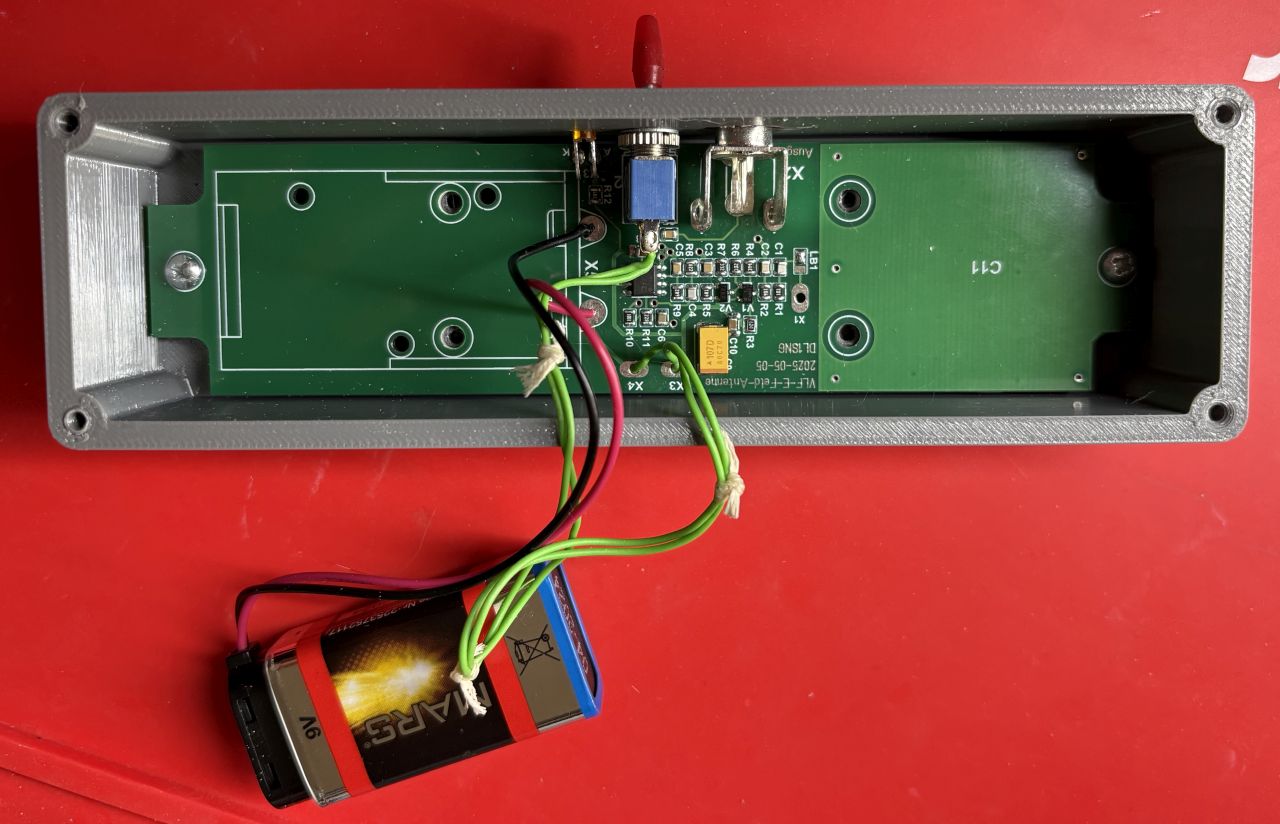
Antenna project for SAQ reception - E-field type
E-Field antenna
PCB
The circuit board is easy to assemble and should then look like this:
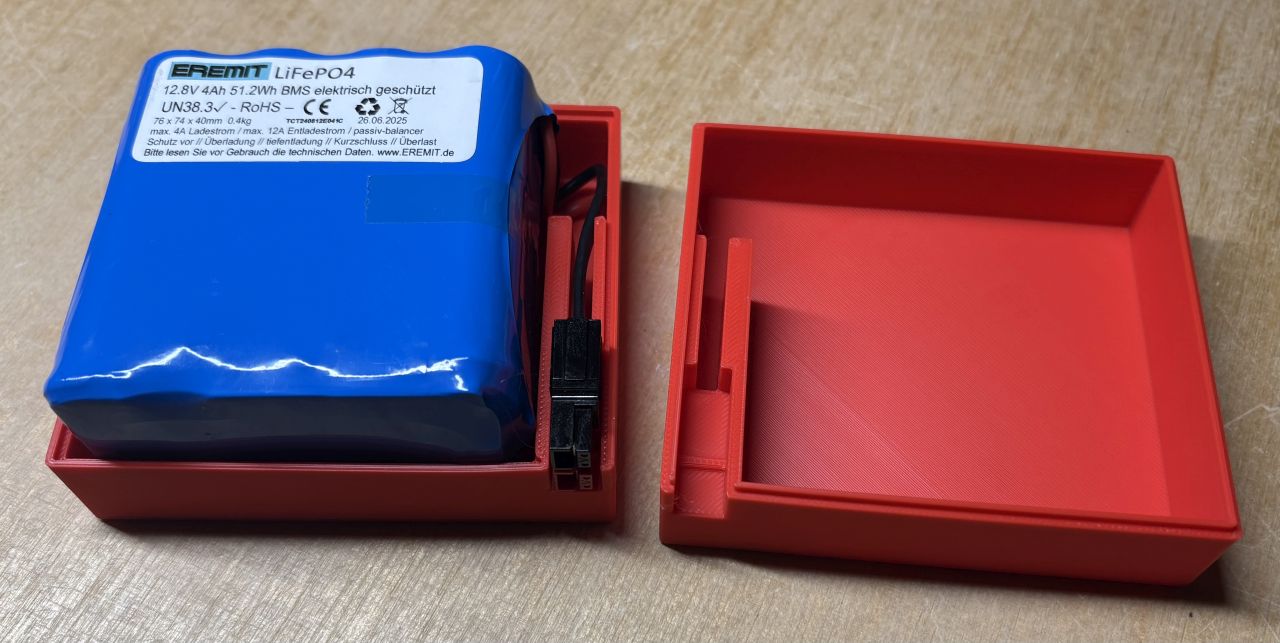
Battery protection box for LiFePo batteries
All LiFePo batteries I own have a connection cable that comes out of the battery casing and ends in a pair of Powerpole connectors.
After prolonged use, the connection cable becomes increasingly “flexible,” meaning that more and more wires in the high-current strand break. As long as the break is close to the connector plug, this is not a problem and can be easily repaired. However, if the break is where the cable exits the battery casing, it becomes difficult to repair the damage.
Common mode filter/ Balun (flea market find)
Some quick measurements on a flea market find BALUN with a WÜRTH-core 7427015 7427015

Also check the measurements on a DK2DB-style balun
Using the BHM-79 wireless Bluetooth microphone with an ICOM IC-705
The HM-243 speaker/microphone combo supplied with the ICOM IC-705 is rather bulky, making it difficult to transport and operate. It has a thick, curled cable and must be connected to the side of the IC-705 with two jack plugs.
Inspired by a newsletter from WIMO.COM I tried the Bluetooth speaker/microphone combo BHM-79 from VERO TELECOM. At just 120g, the BHM-79 is an extremely lightweight speaker/microphone.
.jpg)
.jpg)
Read more: Using the BHM-79 wireless Bluetooth microphone with an ICOM IC-705
Powerbank Talentcell YB1203000-USB
I ordered some days ago a new ZachTek WSPR desktop transmitter for some field tests. This transmitter is powered by 5VDC via a simple USB cable.
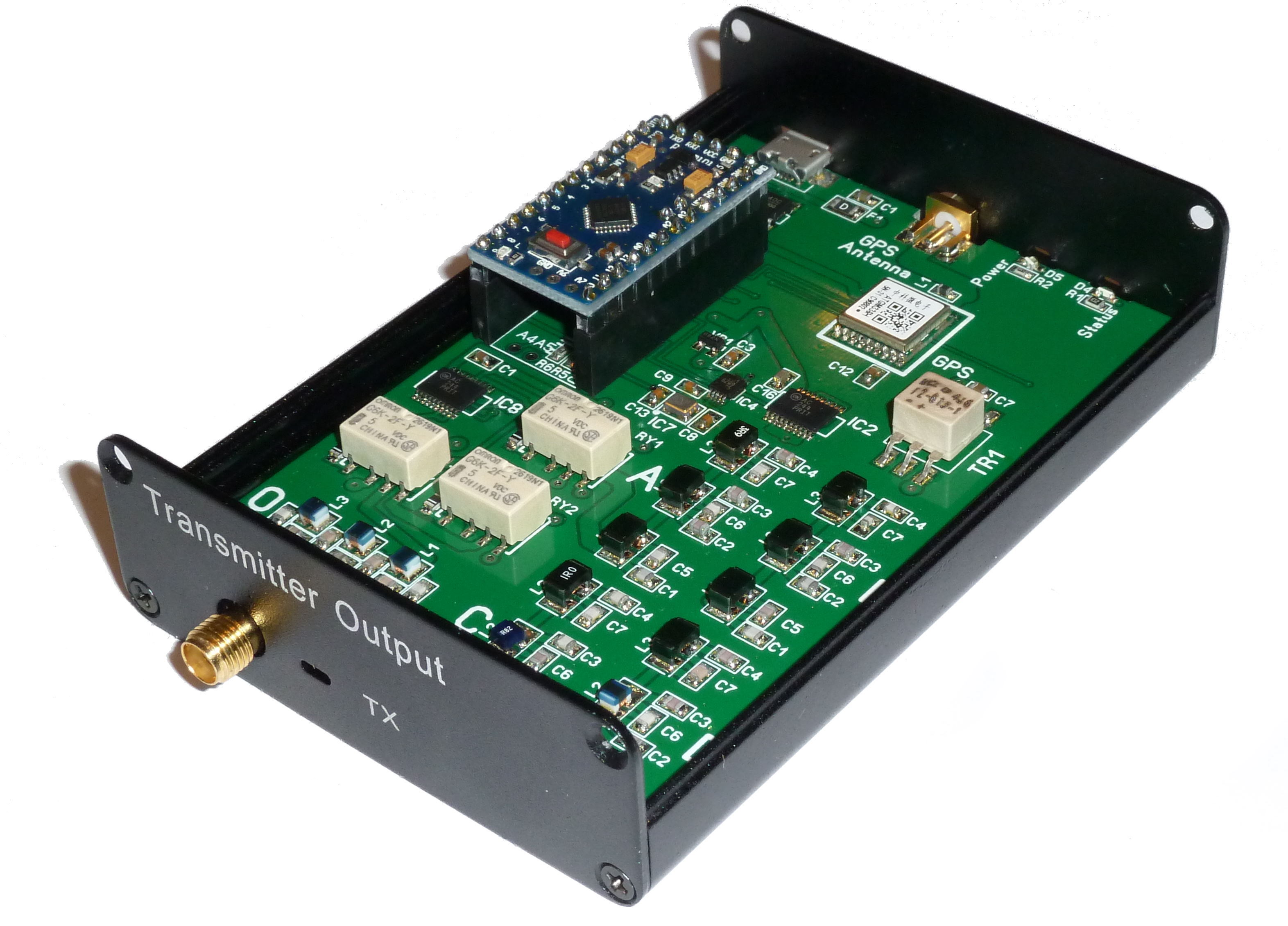
As an avid reader of Tom's K4SWL Blog I've seen HAMs using many times a small powerbank from Talentcell - the YB1203000-USB - which is advertised as a 12V 3.000mAh powerbank.
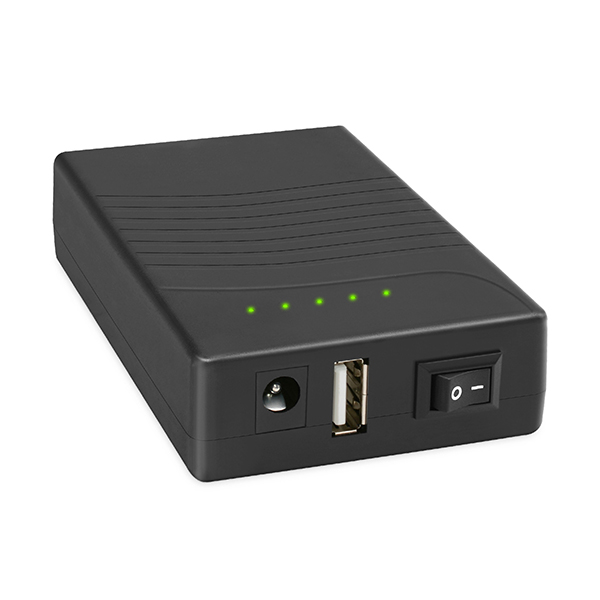
As can be seen on their website, that the powerbank uses three 18650 LiIon cells. The regular voltage of an LiIon battery is 3.6V - three cells will give 10.8V and not 12V?!
Initally with not further searching on the internet, I ordered the powerbank on eBay, as the specs looked fine on first glance :-/
Diamond RH770 2m/70cm antenna
Introduction
For my POTA / SOTA activities I searched for a better 2m/70cm antenna for my ICOM ID-52+ compared to the stock antenna.
I've seen many operators using the Diamond RH770 telescopic antenna and I gave it a try:
2m / 70cm diplexer
Starting point
I borrowed a 2m / 70cm diplexer from a fellow HAM to connect my Multiband-2m/70cm-Antenna to my IC-9700. The IC-9700 has a 2m and a separate 70cm port - the antenna a single port - thats why I need the diplexer. 

The diplexer is a german manufactured AUTH EM 702.
KH1 - Some measurements
I've done some measurements on my KH1 (Serno 00845 FW 1.25)
Basics
Meter - SIGLENT SSA3021X
40dB PAD - Weinschel 58-40-33
RF Powermeter - Unstable reading - Reloaded V2
Some times ago, I found for me a solution, how to handle the unstable readings from the ADC. I've described it in this post.
In the meantime, some HAMs also build the RF powermeter based on the work of Makis, SV1AFN and myself. One if these HAMs, PA3AXA Rens, digged a little bit deeper and analysed the problem in detail. Here his description.
A hint from the German HAM Jens, DL1LEP points to the another solution:
Instead of adding a pull-down or series resistor to the CS line, use a pull-up resistor to +5VDC with 5-10kOhm
PicATU20B - IC-705 CAT-Interface
Andreas has already implemented a computer interface for the ICOM CI-V protocol for his antenna tuner.
I have built a Bluetooth interface into my tuner so that you can control the tuner very conveniently via the ICOM IC-705.
PicATU20B - Base unit
I wanted to make something again :-)
The result is a symmetrical antenna tuner for KW up to max. 20W. Further details can be found at the inventors web-site, Andreas, DL4JAL:
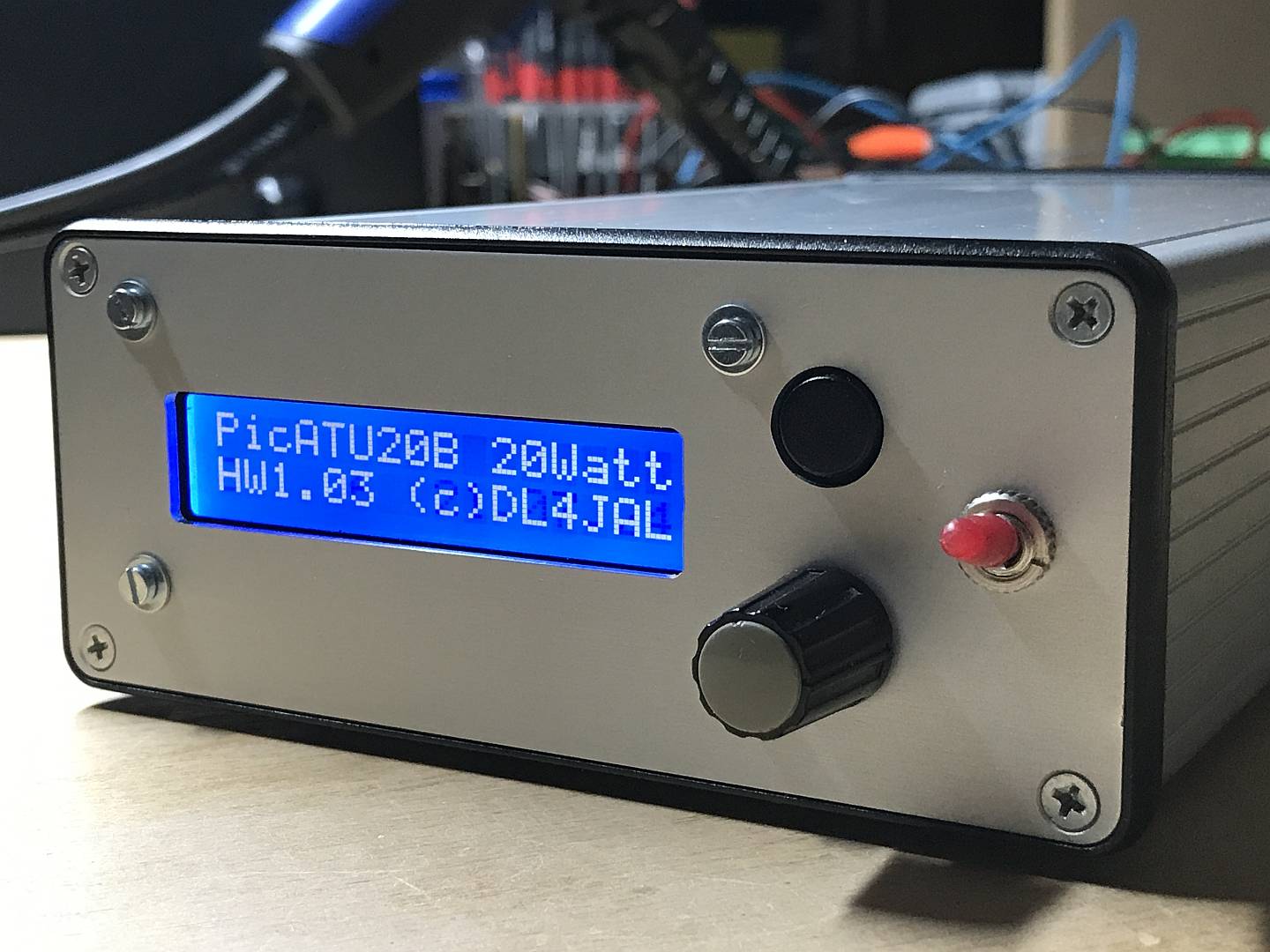
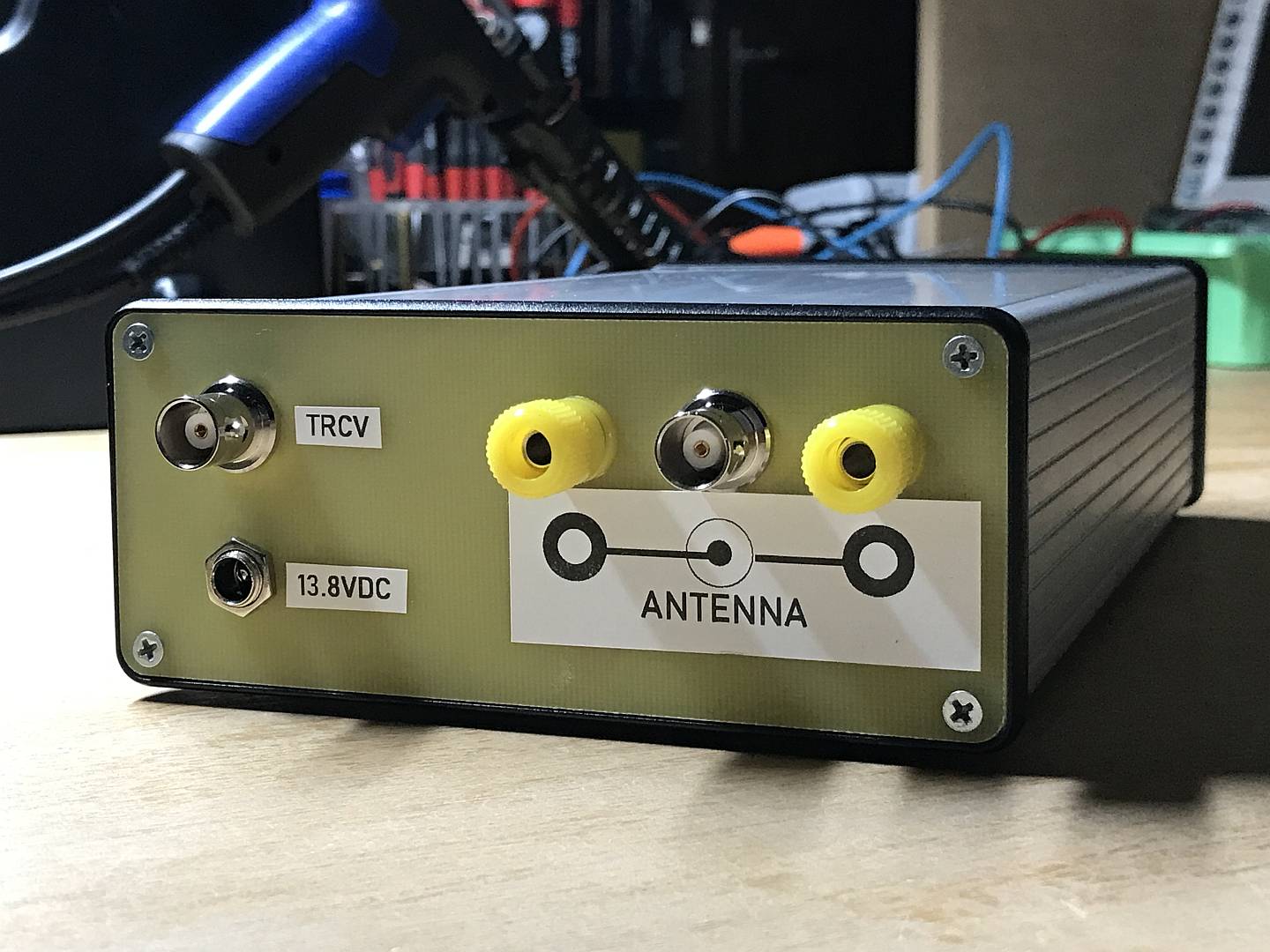
Andreas' preparations are great - the whole circuit worked straight away. At the beginning I thought - uuuuh soldering this much chicken feed - with good solder, lots of light and a head magnifier I managed it quite well.
Now the tuner is ready for its first field use on a symmetrical dipole - I'll report back.
QRP-Transceiver Penntek TR-35
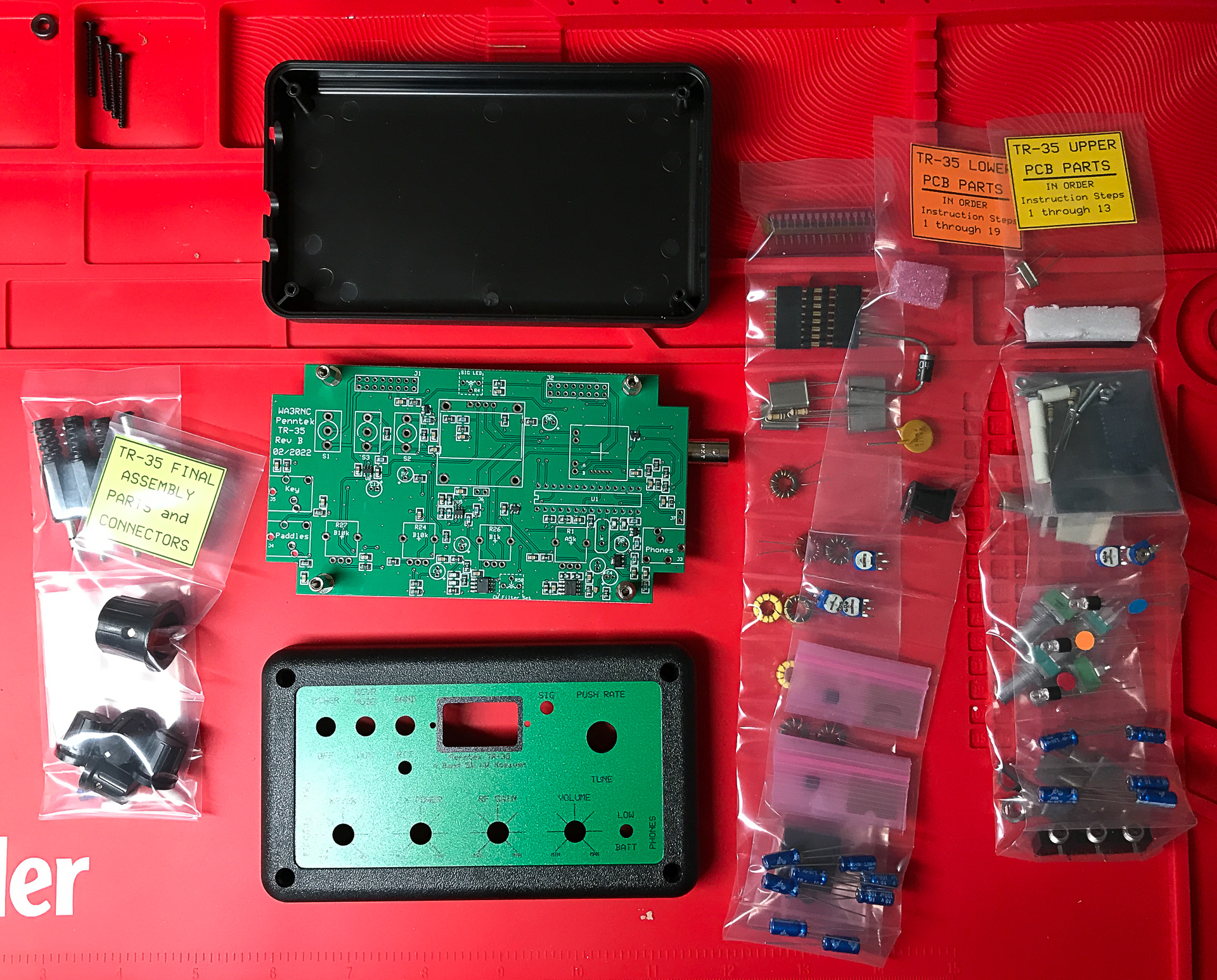
I bought one of the last kits from WA3RNC ... this is a 4-Band analog QRP-Transceiver with many control knobs and switches, instead of cryptic menues.
WA3RNC delivers it in kit-form - all non-SMD-parts are well packed and the builder manual is well structured.
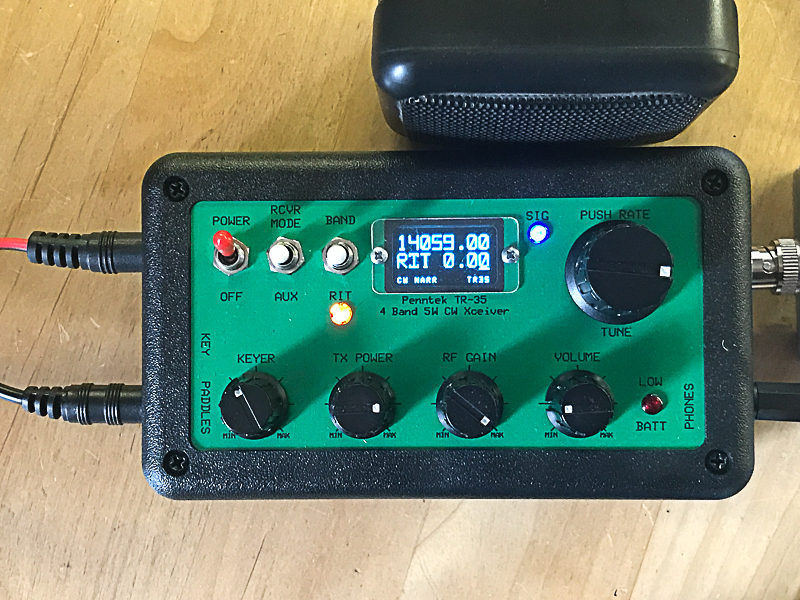
Here my complete QRP-/p station with the attached TinySWR-Meter.

The transceiver has enough AF-power to drive a small speaker.
SWR-Simulator
A small SWR-Simulator for QRP tests. This tiny unit provides SWR values of 1:1, 2:1 and 3:1.

- TinySWR
- HARDROCK-50
- hamware - FT-991A Unterstützung
- Common mode filter/ Balun (DK2DB version)
- hamware AT-615B Firmware
- EFHW Balun
- IoT - Reading water meters
- QO-100 - IceConeFeed v2
- QO-100 - 2021 base-station
- QO-100 - Audio & CW console
- SDR-stick and RTL_433 - 5 days of monitoring
- SDR-stick and RTL_433 or how to monitor road traffic
- QO-100 - PA protection
- QO-100 - RF preamp
- RF Powermeter - Calibration basics ** updated **
- New boy in town - QCX-mini
- RF Powermeter - Updated display files
- CobWeb
- SOTA - equipment weight list
- Yaesu FT-818 - Modification MIC MH-31
- Power usage ...
- 2-tone generator - FA-2-NF etc.
- IoT - REDIS server as docker@Synlogy
- Docker@Syno::Portainer
- IoT - Tasmota - TH16
- NOAA received @ JN48OQ
- QO-100 - 2019 setup
- QO-100 - new pre-amplifier
- Contesting
- Bodnar GPSDO - 10MHz Low-Pass Filer
Page 1 of 10