
Browsing the internet, I stumbled over an interesting video on YouTube were a guy shows a very cheap ESP32+camera solution to read the analog readout of water meters.
The software was developed by JomJol and provided on his Github repository. All you have to do is to buy an ESP32+camera module, flash the firmware und the SD-Card and then the water meter is read.
Configuration of SONOFF TH16 module with current TASMOTA FW
I found a very interesting air quality sensor board from the Germany company OhmTech on Tindy. One of this magic Bosch Sensortec sensor - the BME680 - is used in conjunction with an STM032F72 microcontroller to give a neat "USB-sensor-stick":
According to node-red cookbook all files in the .node-red subdirectory should be backuped - except files in "node-modules" sub-directory:
Initial steps to setup Grafana on Raspberry3 Debian Strech
Data aggregation
Here the first step to automated data aggregation of sensor data ...
Logbook for basic setup of InfluxDB 1.02 on Raspberry Pi 3
Logbook for basic setup of NodeRED on Raspberry Pi 3
Logbook for basic setup of Raspberry Pi 3
For the main power distribution in my house, I also build a powersensor. The basic idea is the same as for this sensor. But the electric meter is already build into the distribution cabinet, so this power meter uses the so-called S0 bus of the power meter inside the cabinet.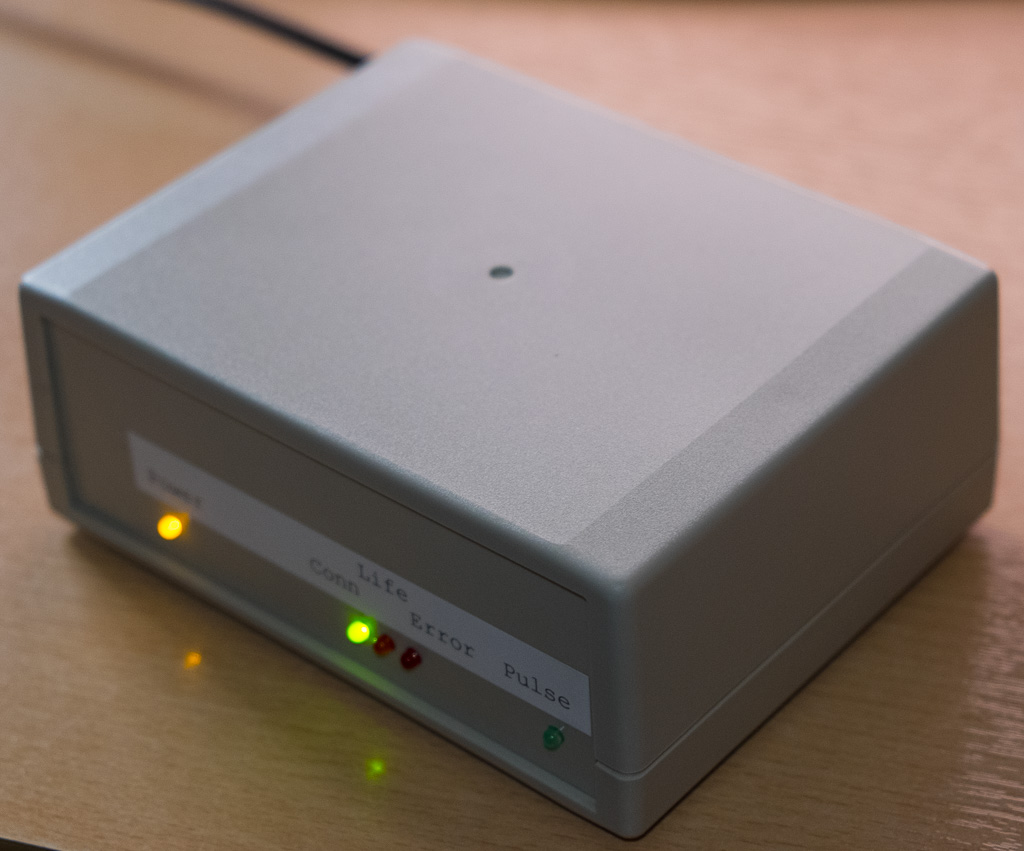
This is my first power/voltage sensor I've build. It is based on an commercially available powermeter from B+G E-Tech. You can find them on eBay or their website. It provides a 90ms pulse for each Wh flown through it.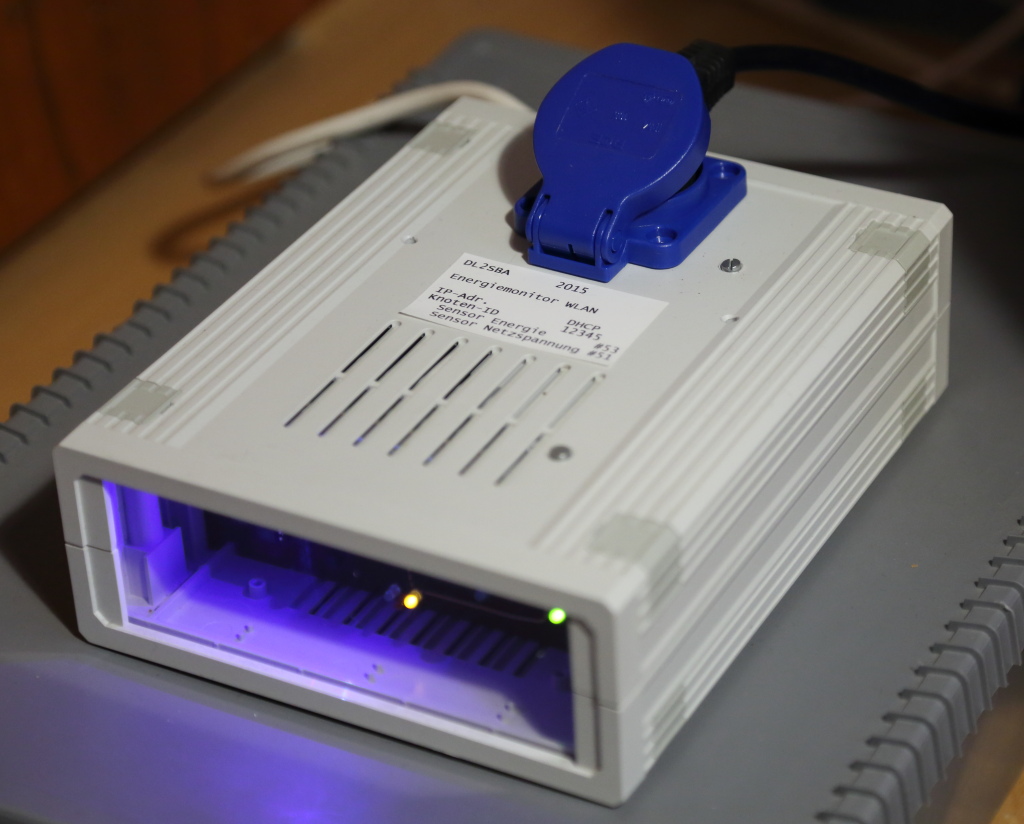
The line voltage is measured using a simple transformer and a circuit based on the schematic from OpenEnergyMonitor. The software to measure the line voltage is also from OpenEnergyMonitor embedded into my sensor framework.
My MQTT server also has some basic systems management capabilities - means the MQTT server can emit the following data to the MQTT broker:
- CPU temperature
- Power supply temperature
- Average CPU load
- Uptime of server
Some basic config stuff for the RASPI & MQTT
Lorem ipsum dolor sit amet, consectetur adipiscing elit, sed do eiusmod tempor incididunt ut labore et dolore magna aliqua. Ut enim ad minim veniam, quis nostrud exercitation ullamco laboris nisi ut aliquip ex ea commodo consequat. Duis aute irure dolor in reprehenderit in voluptate velit esse cillum dolore eu fugiat nulla pariatur. Excepteur sint occaecat cupidatat non proident, sunt in culpa qui officia deserunt mollit anim id est laborum.
Since the beginning of my home automation project I made several tests to choose the right platform and right controller. I've done test with various sensor technologies etc. etc.
Most of the articels can be found in the Arduino category.
One decision was, that my webhost should be the main datastore for all data measured. With this decision, I've started to build a data collection and distribution infrastructure. The complete setup consists of two major components:
These components are detailed further down the page.